


How to fix overprocessed eyebrows: A Brow Artist’s Rescue Guide
written byNicole Domingues
In This Article
What actually happens to overprocessed hair?
To fix the problem, you first need to understand the chemical breakdowns happening inside the hair shaft depending on the treatment that caused the damage:
1. Brow Lamination Overprocessing
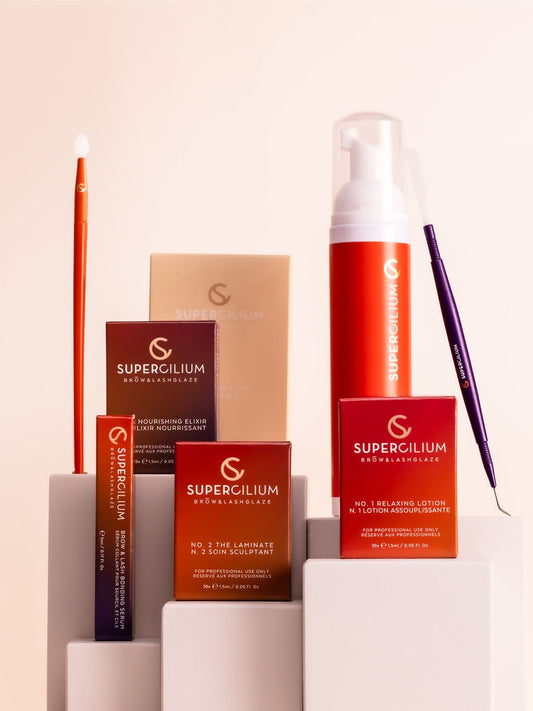
During a lamination, Step 1 (Relaxing Solution)↗ uses alkaline reducing agents to open up the hair cuticle and break down the internal disulfide bonds that give the hair its natural shape and strength. Step 2 (The Laminate)↗ is supposed to step in and rebuild those bonds in their new position. Overprocessing occurs when Step 1 is left on for too long or applied to fragile hair. The cuticle layer stays blown wide open, allowing essential moisture and lipids to evaporate, causing the hair to lose its elasticity, curl up, or snap.
2. Hybrid Dye & Tint Overprocessing
Hybrid dyes↗ and traditional chemical tints rely on developer solutions (hydrogen peroxide) to swell the cuticle and oxidize color molecules inside the hair cortex. If the developer volume is too high, or if chemical dye is applied too frequently, the hair undergoes oxidative stress. This strips the hair of its natural protective melanin and moisture layer, leaving the brow hairs rough, highly porous, brittle, and prone to extreme breakage.
3. Brow Henna Overprocessing
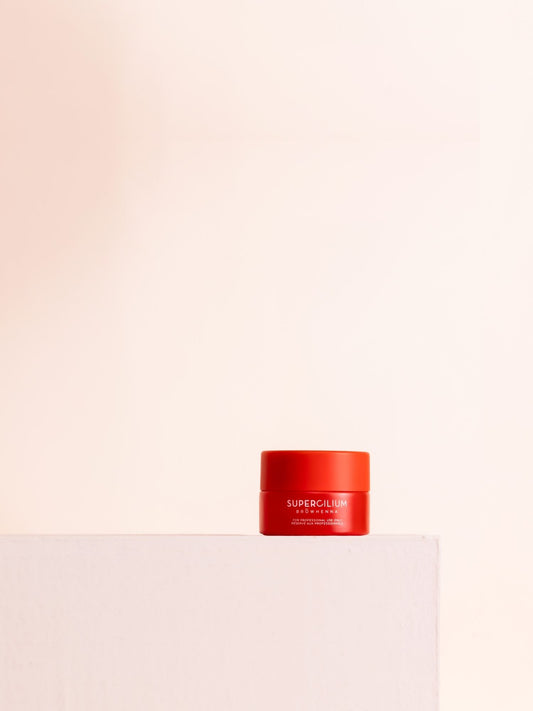
While henna↗ is a natural, plant-based pigment, it is inherently protein-binding. It works by coating the outside layer of the hair shaft and binding aggressively to the hair’s keratin structure. If henna is mixed incorrectly, left on too long, or applied repeatedly to dry, coarse hair, it can create a severe protein overload. This excess buildup causes the hair shaft to become overly stiff, completely rigid, and lose its natural flexibility, leading to hairs that look unnaturally rough and snap under the slightest pressure.

Immediate Salon Rescue: The Emergency Chair Protocol
If you realize a service has overprocessed while the client is still in your chair, or if a client comes to you from another salon seeking emergency help, follow this immediate rescue protocol tailored to the treatment type:
Step 1: Stop the chemical process immediately
If there is any residual chemical solution left on the hair, remove it right away. For Lamination or Dye, use a dry cotton pad, followed by a thoroughly damp pad soaked in lukewarm water. For Henna protein overload, use a warm, damp cotton compress left on the brows for 2 minutes to help soften the hardened coating. Do not scrub, pick, or rub the area, as any physical friction will cause the severely weakened hairs to snap off at the root.
Step 2: Re-lock the Bonds (For Lamination Disasters)
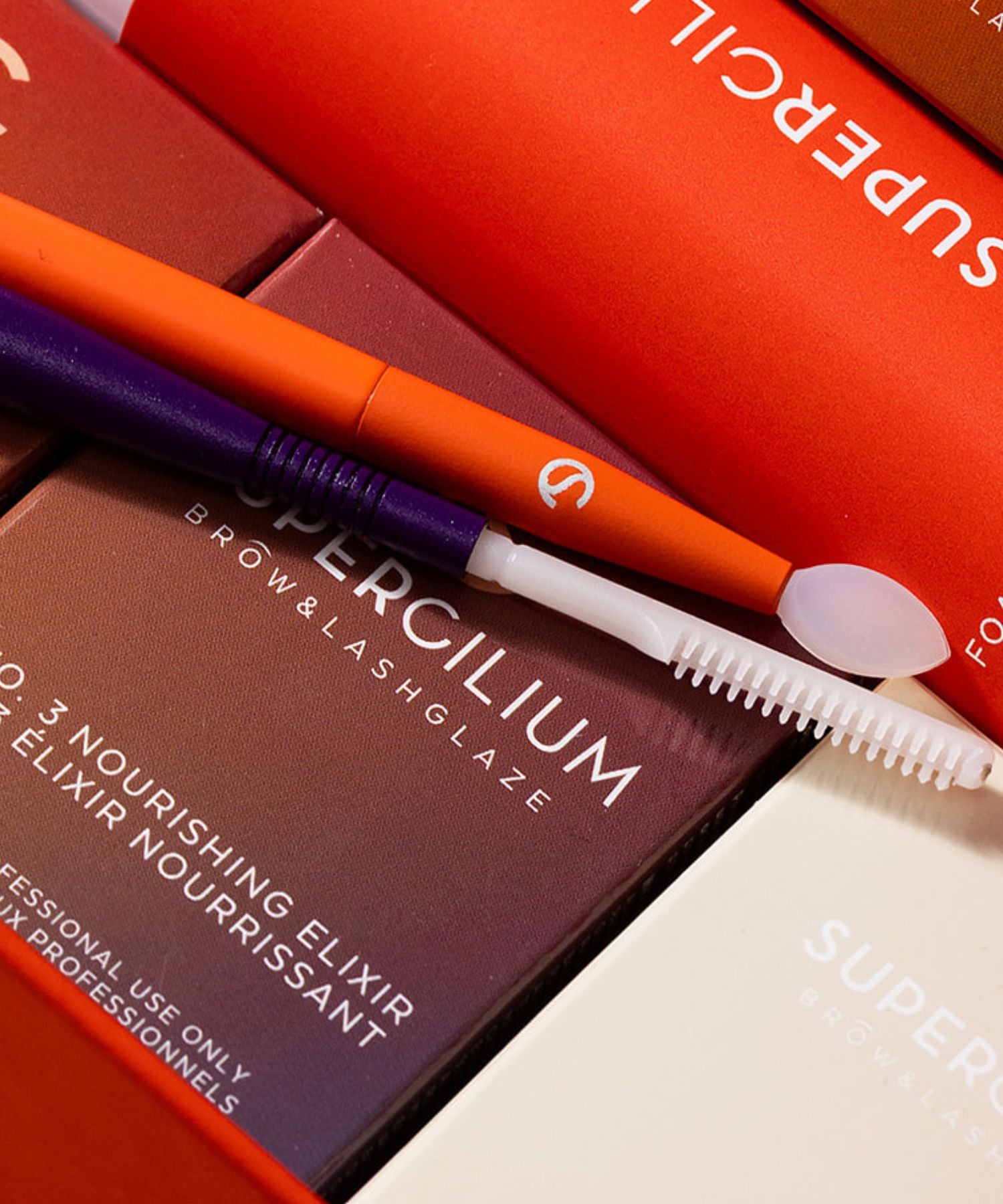
If a lamination fails because the previous Brow Artist didn't leave Step 2 on long enough, the chemical process remains active. If the hair feels intensely stretchy, soft, or gummy, apply a fresh, light layer of Step 3 (Nourishing Elixir)↗ for 2 to 3 minutes to stop the hair from continuing to break down, then wipe away gently with a damp pad.
Step 3: Deep Keratin Infusion and Lipid Replenishment
Because the hair cuticle is either open, stripped by developer, or hardened by protein, you must instantly flood the cortex with nourishing ingredients to mimic the hair's natural composition. Apply a generous layer of a professional plex-treatment or a deeply hydrating keratin serum. Let it sit on the brows under a piece of plastic wrap for 5 to 10 minutes to force vital nutrients deep into the hair shaft, helping the cuticle lay flat again and sealing the hair matrix.
The 4-Week At-Home Recovery Protocol
A salon rescue treatment is just the first step in brow recovery. True long-term brow recovery happens at home over the course of a full hair growth cycle (usually 4 to 6 weeks). Give your client these non-negotiable homework rules to save their brows from breaking:
1. Ditch the spoolie (for now)
When brows are overprocessed, brushing them aggressively with a rough mascara wand or rigid spoolie brush can easily snap the fragile hairs right at the base. Advise your client to use their clean fingertips or an incredibly soft, clean makeup brush to gently push the hairs into place only when absolutely necessary, minimizing all physical contact.
2. Introduce daily moisture retaining oils
Because the brows cannot hold onto moisture on their own right now due to the damaged cuticle, they must be coated in a protective, heavy lipid barrier every single night. Recommend a daily application of a vitamin-rich Brow Oil.
3. Avoid all chemical treatments
This is a strict, non-negotiable rule: the client cannot receive another brow lamination, hybrid dye, liquid tint, or chemical tinting service for a minimum of 6 to 8 weeks. Applying more processing chemicals to already compromised hair will cause immediate, severe hair loss across the entire brow arch.
4. Switch to Gentle, Hydrating Cleansers
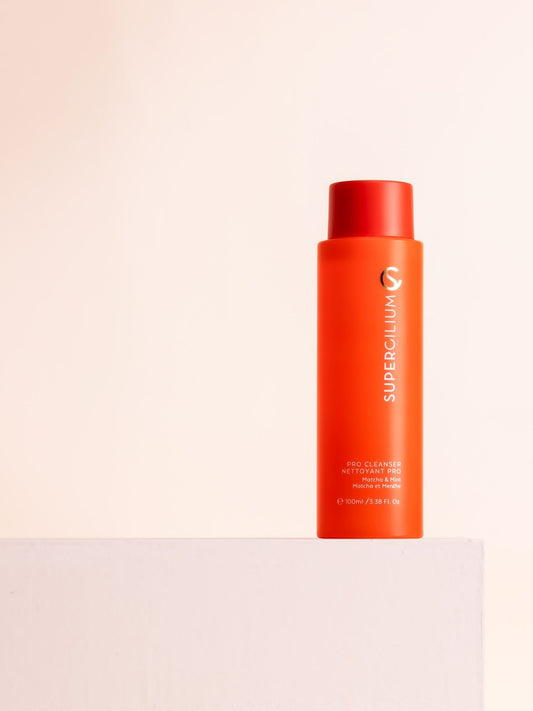
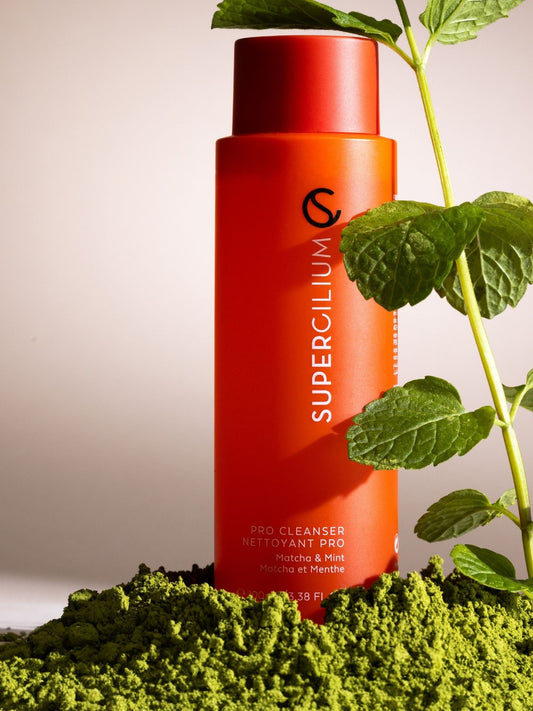
Advise your client to completely avoid harsh foaming face washes, aggressive acne scrubs, and chemical exfoliants (like salicylic acid, glycolic acid, or retinols) near the top half of their face. Instead, they should cleanse around the area using an oil-free, calming micellar water or our soothing, antioxidant-rich Pro Cleanser with Matcha↗.

The Stylist's Treatment Damage Assessment Guide
When a client presents with damaged brows, use this helpful reference table to diagnose the severity of the overprocessing and apply the correct salon solution:
|
Treatment Culprit |
Hair Symptoms |
Primary Cause |
Immediate Salon Action |
|
Lamination Fail |
Hairs are curling at the tips, look singed, or feel gummy, stretchy, and break easily. |
Step 1 lotion left on too long for the hair type, or Step 2 omitted. |
Apply Step 2 check if gummy. Apply a deep chemical plex mask under plastic wrap for 10 minutes. |
|
Dye / Tint Damage |
Hair color looks muddy, hair feels extremely rough, porous, brittle, and dry. |
Using too high a developer volume, or over-processing fine hair. |
Flood the hair with a keratin recovery treatment. |
|
Henna Overload |
Hair is completely rigid, stiff, coarse, and snaps instantly under pressure. |
Multiple back-to-back henna layers or poor formulation on dry hair. |
Use a warm water compress to soften the outer pigment shell, then apply a pure lipid-replenishing oil. |
How to prevent overprocessing in the future
The absolute best way to fix overprocessed brows is to ensure it never happens in your salon again! Incorporate these professional safety boundaries into your daily workflow:
-
Assess, don't guess: Never guess processing times based on a manual. Always look closely at the hair thickness, texture, and chemical history before choosing your timing. For fine, fair, or blonde hair, check the hair flexibility every 60 seconds.
-
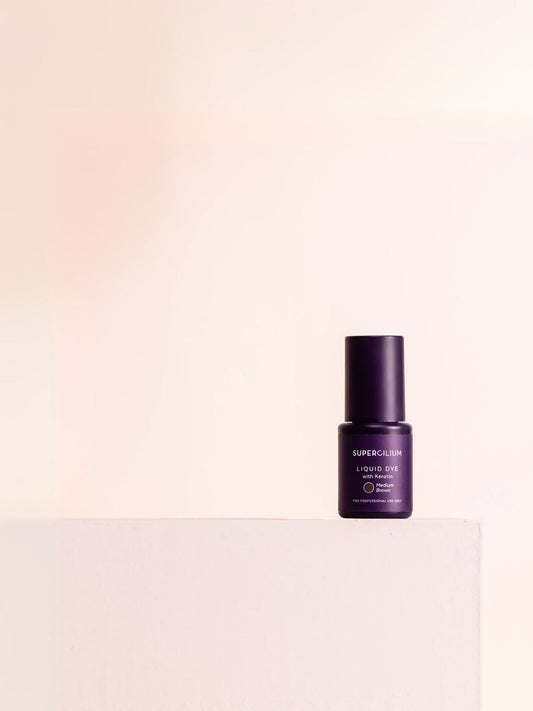
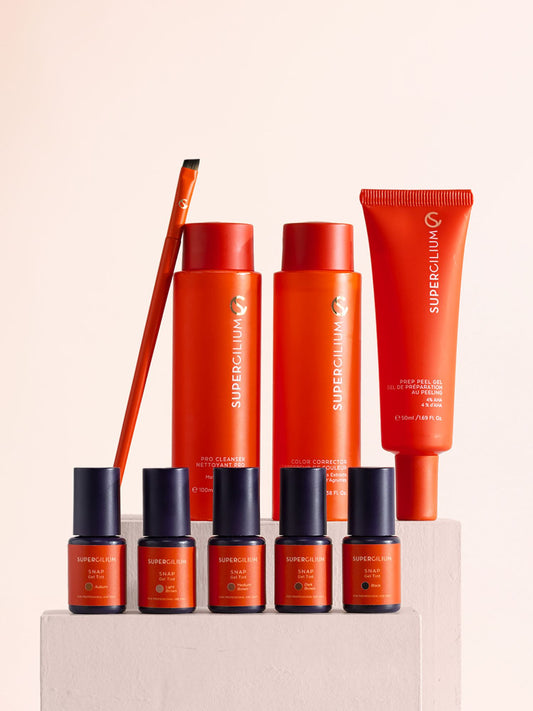
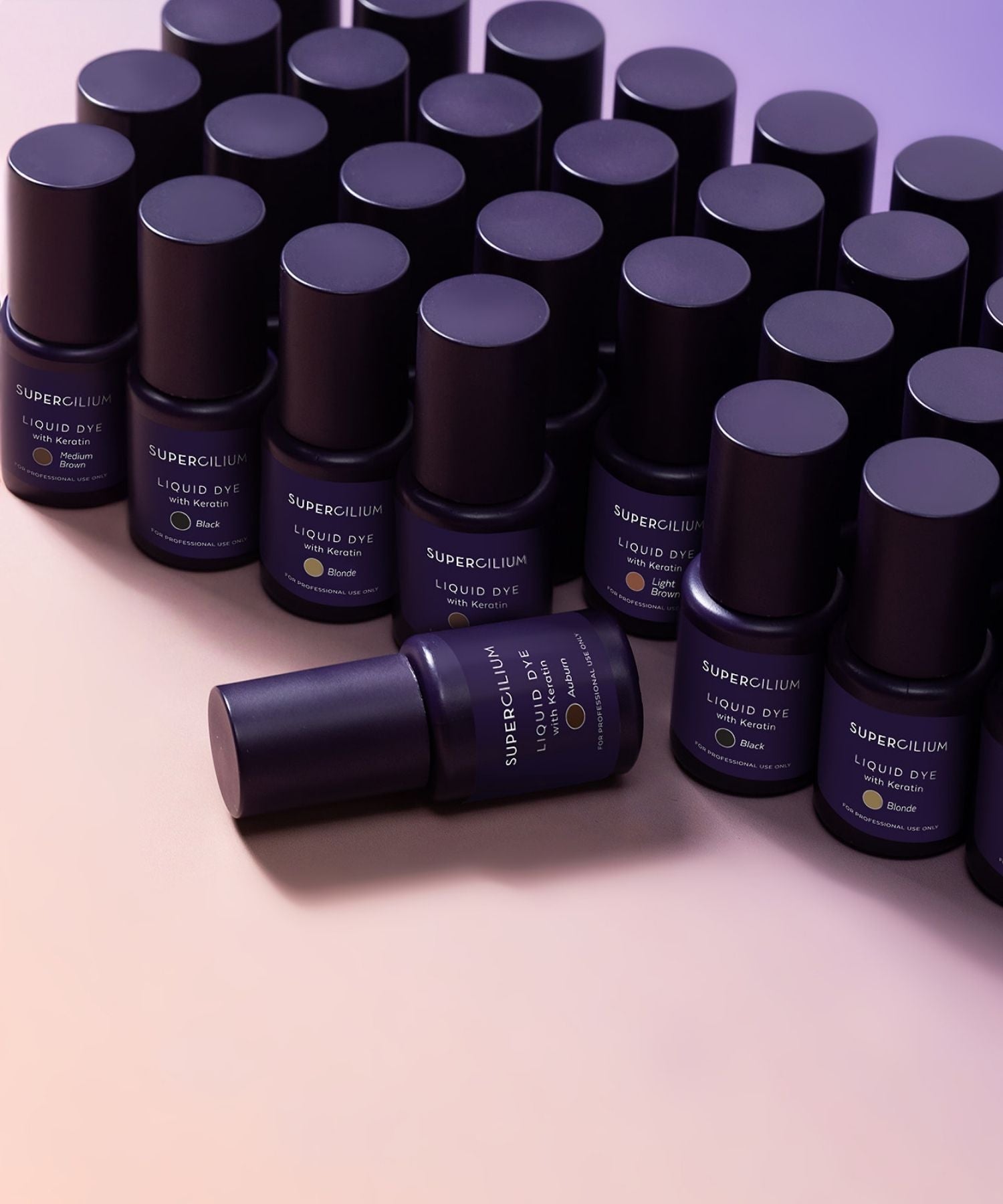
Never mix Lamination with Henna: Remember that traditional henna requires a completely different, alkaline hair environment than a lamination. If your client wants both a structural lift and a deep color boost, always pair your lamination with a safe, nourishing formula like our Supercilium Liquid Dye Collection↗.
-
Invest in gentle formulas: Use a lamination system designed with conditioning, protective agents built directly into the step lotions. Our professional Brow Lamination Glaze Starter Kit↗ is specifically formulated to respect the integrity of the delicate hair structure while delivering a jaw-dropping, long-lasting lift.
By educating your clients on proper aftercare and prioritizing hair health over aggressive styling, you can easily turn a beauty disaster into an opportunity to build trust and client loyalty.