


Why Your Brow Henna Turns Green (And How to Fix It)
written byManouk de Vries
In This Article
Understanding the Oxidisation Process
To understand why henna sometimes throws a green cast, we have to look at how the pigment develops.
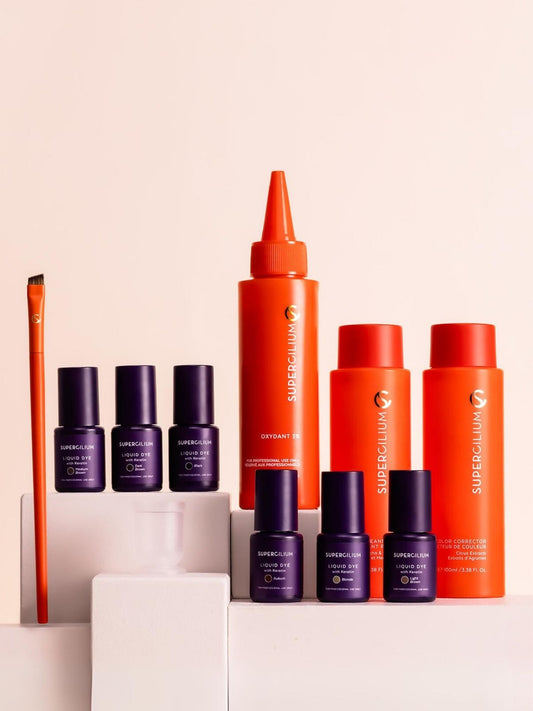
High-quality brow henna↗ relies on natural plant powders mixed with specific color compounds. When you mix the powder with your developer, you activate these raw pigments. When first applied to the hair and skin, certain shades, especially warmer or lighter tones like Blonde, Auburn, or Light Brown can display a temporary green or yellowish tint.
This is simply the raw pigment reacting with oxygen. As the henna oxidises over the next few hours, that green undertone will naturally shift, settling into the beautiful, rich target shade your client paid for.
3 Reasons Your Henna is Turning Green (And How to Prevent It)
While a temporary color shift during development is normal, an intense or stubborn green cast usually points to a flaw in workflow or product freshness. Here is what you need to watch out for:
1. You Didn't Let the Henna "Set" Between Layers
The number one mistake Brow Artists make is rushing the application. If you apply layer after layer without giving the previous one time to breathe, you trap the pigment and disrupt the oxidisation process.
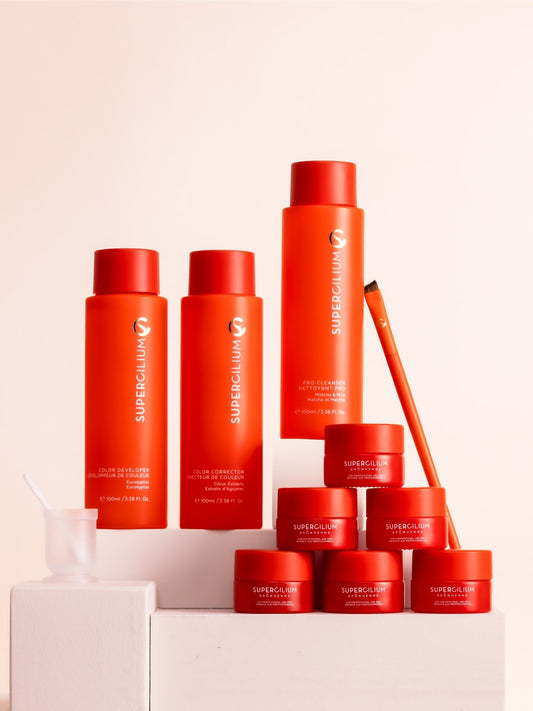
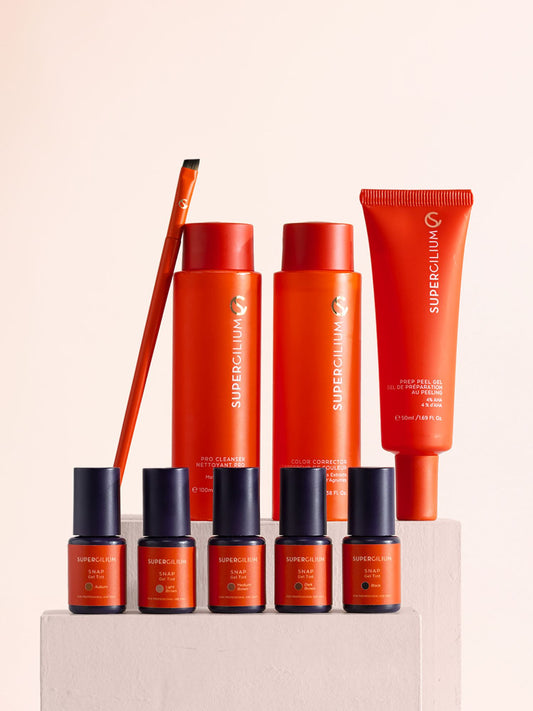
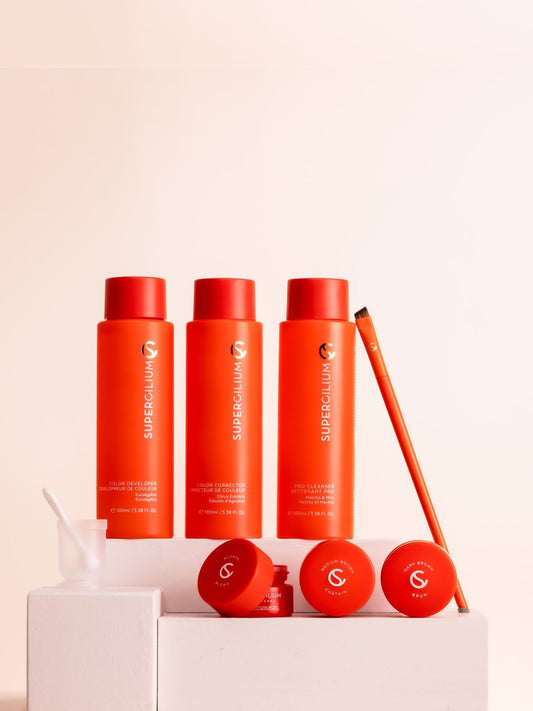
The Pro Fix: After mixing your henna with the Color Developer↗, let it sit in the mixing cup for 2–3 minutes to activate. When applying, allow your first layer to slightly dry and set into the skin canvas for a minute or two before stempeling your second or third layer on top. This ensures the color develops evenly and minimizes strange undertones.
2. The Product is Expired or Poorly Stored
Freshness matters. Henna powder is incredibly sensitive to air, light, and moisture. Once exposed to oxygen over a long period, the active chemicals degrade, which can cause the color molecules to fail or turn an unpredictable shade of green.
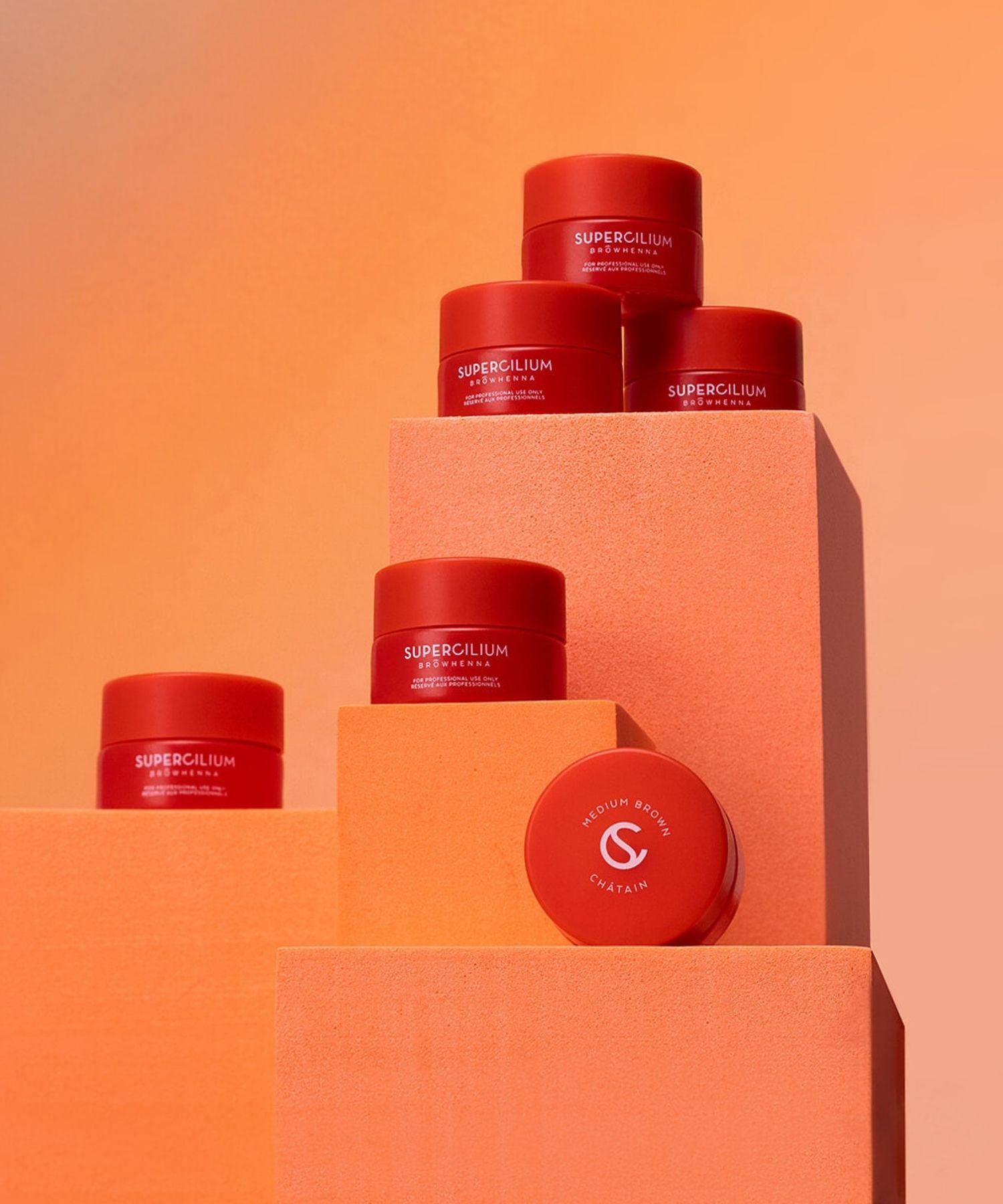
The Pro Fix: Always track your opening dates. Supercilium Brow Henna is at its peak performance for 6 months after opening. Keep your bottles tightly capped and stored in a cool, dry place away from direct sunlight.
3. Unexpected Skin Chemistry and Product Overlap
Sometimes, the green hue is a result of a chemical clash. If a client has recently had their brows treated with an alternate dye brand, a low-quality tint, or heavy self-tanners, residues left on the skin or hair shaft can react poorly with your fresh henna.
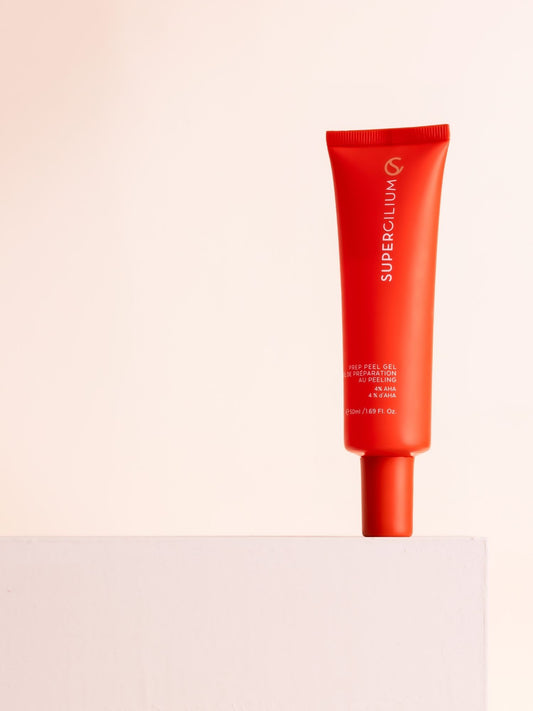
The Pro Fix: Never skimp on your skin preparation. Use a deep clarifying cleanse↗ and a dedicated Prep Peel Gel↗ to completely strip away old product residue, makeup, and natural sebum before you map and apply your henna.

What to Do If Your Client Panics
If you wipe away the henna and still see a slight olive or greenish hue, don't panic. This is a common occurrence with lighter shades and usually resolves itself within 2 to 4 hours as the skin chemistry stabilises and the pigment fully oxidises in the open air.
Educate your client before they leave your chair. Inform them that the color will continue to develop and deepen over the next few hours, and advise them to avoid getting the brows wet during this crucial setting window.
Master Your Routine
At the end of the day, working with chemical compounds and natural pigments requires a strict, non-negotiable protocol. By mastering your layer-setting technique, keeping your kit fresh, and perfectly prepping the skin canvas, you eliminate the guesswork and ensure a flawless, high-definition finish every single time.
Struggling with a stubborn shade or have questions about a tricky client case? We are here to help you level up your brow game! Feel free to drop our team an email at hello@supercilium.com with any product or technique questions.
Ready to master your mixology and color theory? Elevate your skills and eliminate the guesswork by enrolling in our Certified Brow Henna Course↗ or our specialized Mix & Match Brow Henna Colors Course↗.